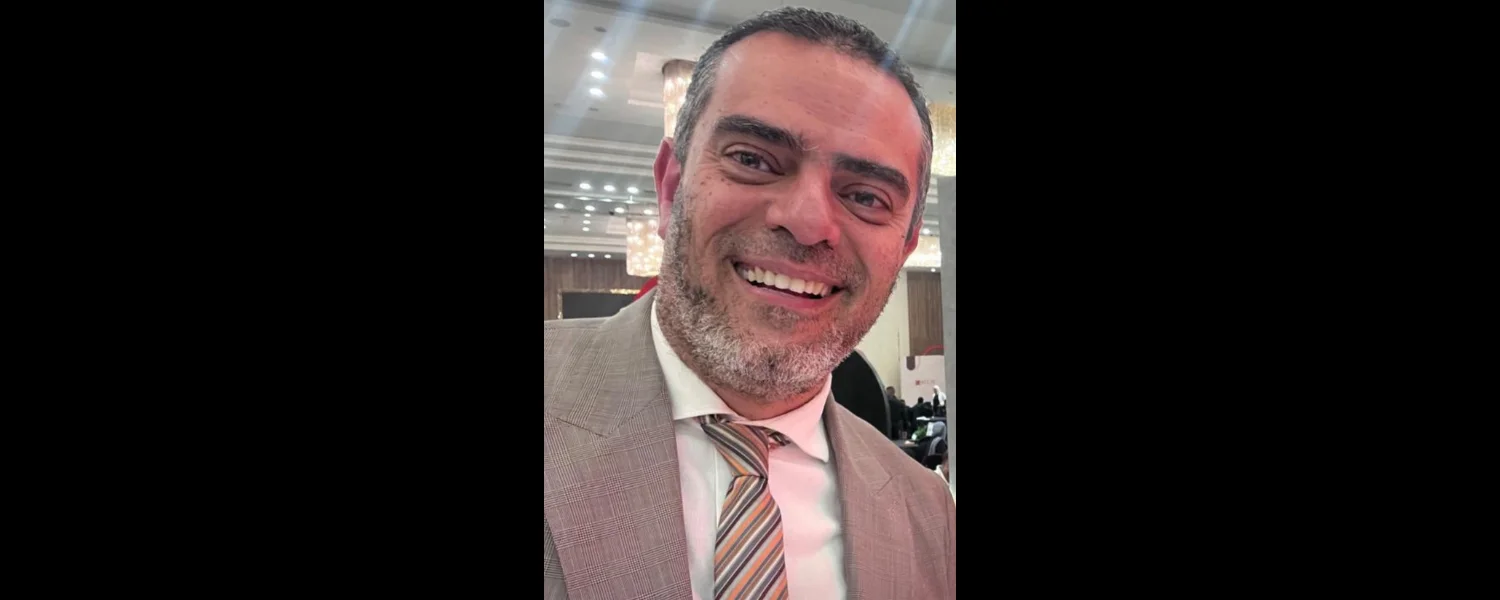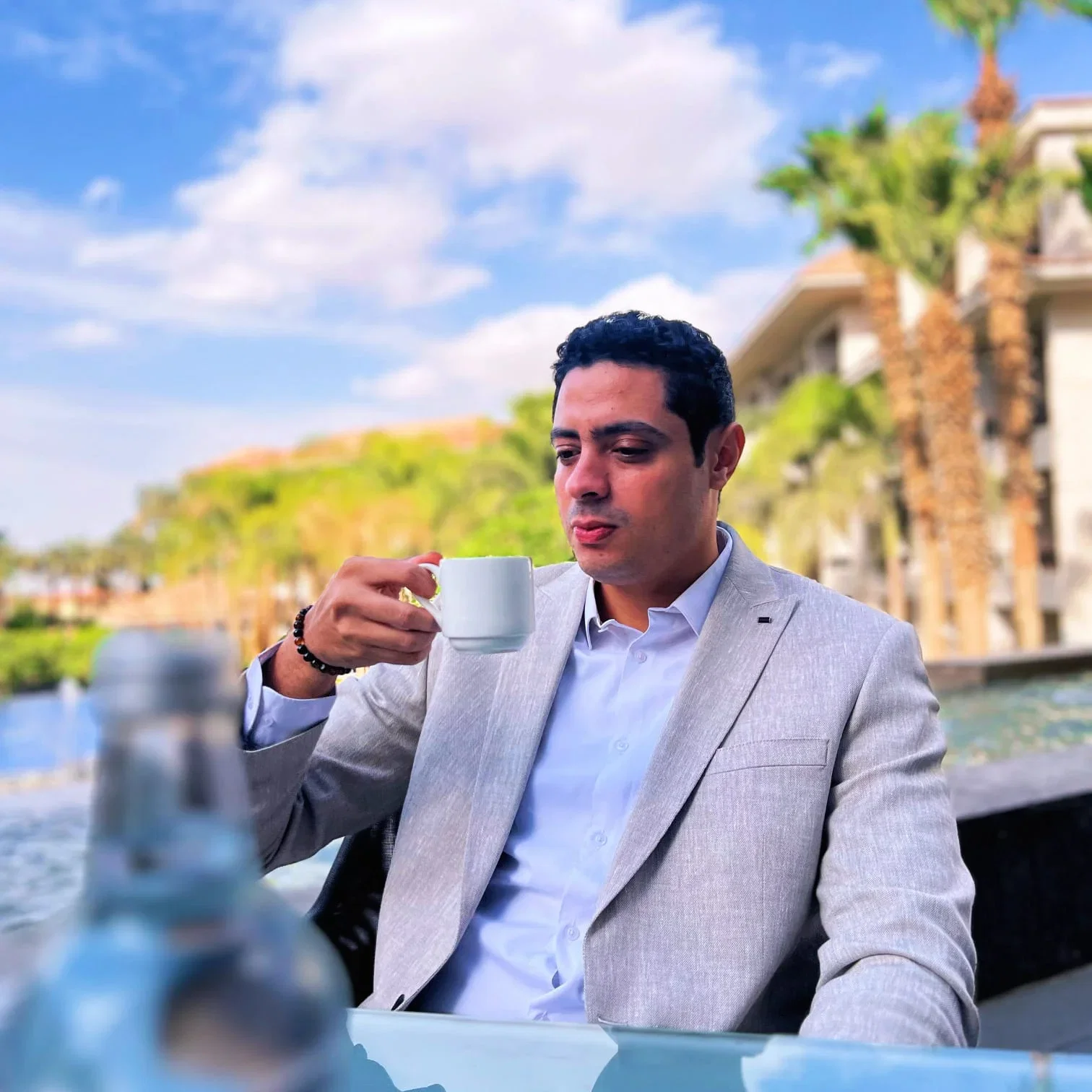
An Interview with Abdelrahman Abdelsalam, CEO of Proplix
Egypt's real estate marketing sector is going through unprecedented change, driven by digital transformation, shifting customer behavior, and the rise of new, technology-first business models.
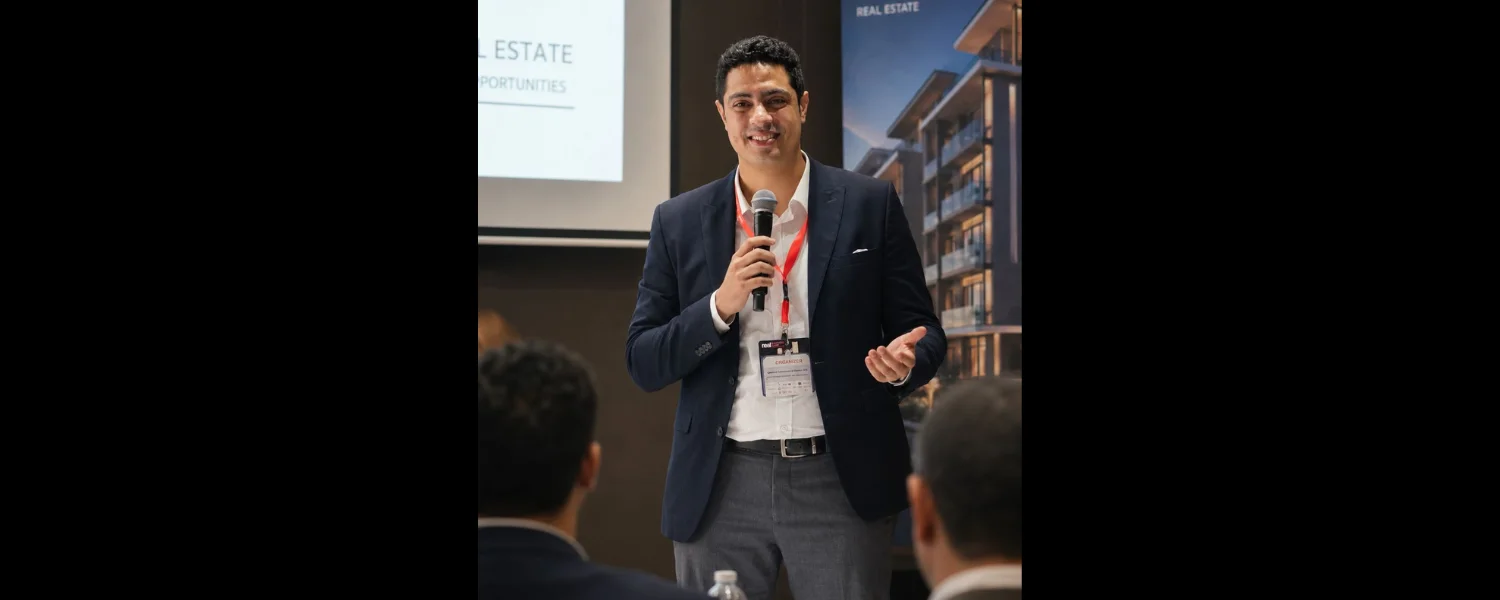
In this interview, Abdelrahman Abdelsalam, Proplix's CEO, shares the story of how it all began, the toughest moments along the way, the biggest lessons learned over years in the real estate market, and his vision for the company's future — and the future of the industry as a whole.

What made you start a real estate marketing company?
Like a lot of young Egyptians after graduation, we were looking for a chance to build a strong financial future early on. Real estate in Egypt was one of the sectors that gave young people that chance — especially if you were willing to learn and could build relationships.
There wasn't a plan to start a company at first. We started working in real estate marketing part-time during university, then we discovered how big the opportunities in the market really were. By graduation, it had turned from a side job into a full career path, and eventually into the idea of building a company with a different vision for the market.
What was the hardest year in the company's history, and how did you get through it?
Honestly, there were two moments that were the hardest in the company's history.
First: the COVID-19 pandemic in 2020
We launched the company at the start of 2020, and about four months later COVID hit. We were still in the founding phase — we hadn't fully built out our operations yet — and suddenly had to work remotely and manage an entirely new team through unprecedented conditions.
It was a tough experience, but it taught us how important flexibility and fast adaptation really are.
Second: Egypt's first currency float
This phase was far more complex commercially.
At the time, we had reservations worth hundreds of millions of pounds, but once the float was announced, clients could no longer predict what would happen to prices, and a large number of them cancelled their reservations out of fear of what was coming.
Property prices later rose sharply, and many of them realized cancelling hadn't been the right call — but that period taught us how to manage risk and build more flexible strategies for economic volatility.
What was the company's first deal?
Our real first break came after attending a session a developer held to introduce a new project ahead of its official launch.
We went straight into studying the project and preparing the right clients, and we did succeed in closing our first sales during the launch period.
That first deal might look small compared to what we've achieved since, but it was the turning point that confirmed we had what it took to build a real company in this market.
How has your vision for the company changed since day one?
At first, we thought growth meant growing the size of the sales team.
Over time, we realized real success isn't about headcount — it's about the quality of the people.
Our focus shifted to building real estate consultants who can:
• Build a long-term relationship with the client.
• Put the client's interest first, above everything else.
• Offer smart solutions that fit their actual needs.
• Use technology and digital transformation at every stage of the sale.
That's why we've come to believe the future of Egypt's real estate sector belongs to companies that invest in technology, data, and customer experience — not just companies that grow their headcount.
If you went back to the beginning, what would you change?
There are two important lessons we learned.
The first is that any startup needs to start generating real revenue from day one. Every day that passes without a real income source weakens a company's ability to survive, so we've come to believe that focusing on real revenue from the start isn't something you can postpone.
The second lesson is the importance of specialization.
At first we tried to do everything, everywhere. But we discovered that specializing in specific areas, specific developers, and clearly defined client segments delivers far better results than trying to do everything at once.
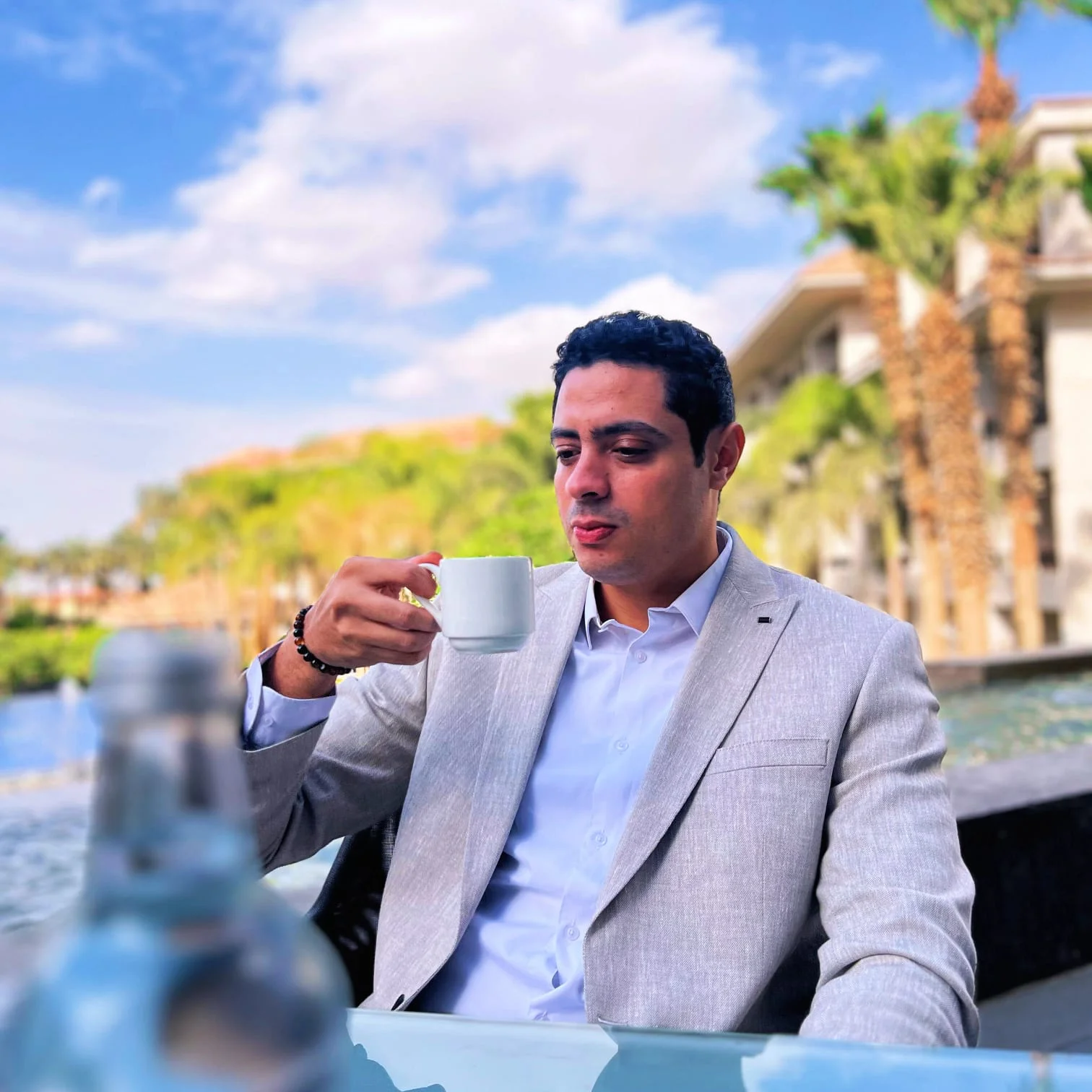
What are you proudest of in the company's journey?
Beyond sales volume or client numbers, what we're proudest of is the company culture.
From day one, we believed real success starts from within the team.
We're proud that our team is known in the market for its respect, ethics, and transparency with clients, and we're proud of an internal environment where everyone supports each other, whether in success or in hard times.
That culture is what built the company's identity, and it's what we consider our biggest asset today.
Where do you see Proplix in five years?
We have clear, ambitious goals.
We're aiming to exceed annual sales of between EGP 30 and 40 billion over the coming years, while continuing to build one of the largest digital platforms specializing in real estate.
But our vision isn't limited to real estate marketing alone.
We're aiming to offer a fully integrated ecosystem that includes:
• Real estate marketing solutions.
• Real estate technology (PropTech).
• Property management.
• Facility management.
• Digital services that support every side of the real estate market.
We believe the future of this sector won't be about simply selling a unit — it'll be about building an integrated ecosystem powered by technology that creates real value for the client.
A Final Word
Proplix's journey didn't start with a perfect plan — it started with trial, learning, and continuous work.
Over the past years, we've learned that success in Egypt's real estate market doesn't depend on sales alone, but on building trust, investing in people, making the most of technology, and the ability to adapt to economic change.